Specification Review Guide
How to read a solar street light specification sheet
A useful specification review identifies the exact model, separates labels from measured or configured values, checks the operating assumptions and matches every document to the product being purchased.
Quick answer
Read the complete configuration, not one large number
To read a solar street light specification sheet, first identify the exact model and configuration. Then review actual LED or system-load information, solar-panel and battery data, operating modes, lighting schedule, environmental ratings, mounting, dimensions, included parts and applicable documents. Ask for units, test conditions and model-specific evidence. A nominal wattage label alone does not confirm actual power, brightness, runtime, road coverage or project suitability.
Buyer roles
Different buyers use the same sheet differently
The technical fields are shared, but the decision they support is different.
1. Product identity
Start with the exact model and configuration
A specification sheet is only useful when the buyer can connect it to the product image, model reference, version and quotation. Similar housings can use different panels, batteries, controls or operating programs.
2. Power and light
Separate nominal labels from technical values
Do not assume that the largest wattage printed in a catalogue is actual LED electrical power or a complete measure of lighting performance.
FieldWhat to askEvidence or context
Nominal wattageIs this a product-grade label or measured electrical value?Definition used in the current sheet
LED or system loadWhat value applies to the exact operating mode?Model-specific electrical data and operating assumptions
Luminous outputIs the value measured for the complete luminaire?Test method, report or stated measurement basis
DistributionHow is light directed for the intended installation?Photometric file or applicable optical information when required
Road resultWhich road and pole assumptions were used?Project-specific design basis; never infer from wattage alone
3. Solar panel and battery
Compare energy fields with units and context
Panel and battery values should belong to the same selected configuration. A battery amp-hour number without voltage, chemistry and operating assumptions is not a complete comparison.
4. Operation
Ask how the light operates through the night
Runtime statements depend on output level, dimming, sensing, solar input, battery condition and test assumptions. Buyers should ask for the operating schedule instead of relying on a single hours claim.
5. Mechanical and environmental data
Confirm that installation fields match the product
Environmental ratings and mounting data must be tied to the exact model and supporting document.
6. Documents and evidence
Match each document to the model and market
A logo or certificate name on a page is not enough. The buyer should check the model reference, applicant or manufacturer identity, issuer, date, standard, report relationship and destination-market requirement.
Evidence hierarchy
Use the strongest available source for each claim
Different claims need different evidence. One document should not be stretched to support unrelated statements.
ClaimPreferred sourceStatus before evidence
Product configurationCurrent model sheet, drawing and formal quotationNeeds model confirmation
Electrical or light outputModel-specific technical data and applicable test basisNeeds model confirmation
Runtime or autonomyOperating schedule, test assumptions and model dataNeeds model and scenario confirmation
Environmental ratingApplicable model document or test reportNeeds evidence confirmation
CertificationApplicable declaration, certificate or report for model and marketNeeds document review
Road suitabilityVerified model data plus project road, pole and operating inputsNeeds project review
Red flags
Pause the comparison when basic context is missing
A red flag is a reason to ask another question, not automatic proof that a product is unsuitable.
Inquiry questions
Questions to send with a specification review
Use the questions that match the buying stage. Missing fields can be marked “to be confirmed” rather than filled with assumptions.
Buyer checklist
Complete the review before shortlisting a model
This checklist keeps catalogue labels, configured values, evidence and project assumptions separate. A buyer does not need every field at the first inquiry, but unresolved fields should remain visible.
Minglong fact boundary
Confirmed general facts are not model specifications
The statements below are general commercial information. They do not establish the performance of a specific solar street light.
AreaConfirmed general informationStill requires confirmation
Product categoriesSplit and all-in-one catalogue models can be suppliedExact model and current configuration
MOQUsually 100 pcsPer-model or mixed-order application
Lead timeUsually 15-30 daysModel, quantity and production schedule
Warranty1 or 2 yearsModel, configuration and quotation terms
CustomizationOEM, logo, color box, outer carton and manual supportedMOQ, cost, artwork and schedule
SamplesAvailable; buyer pays sample cost and shippingModel availability and bulk-order credit conditions
Confirmed Minglong examples
Four selected catalogue grades illustrate why labels need context
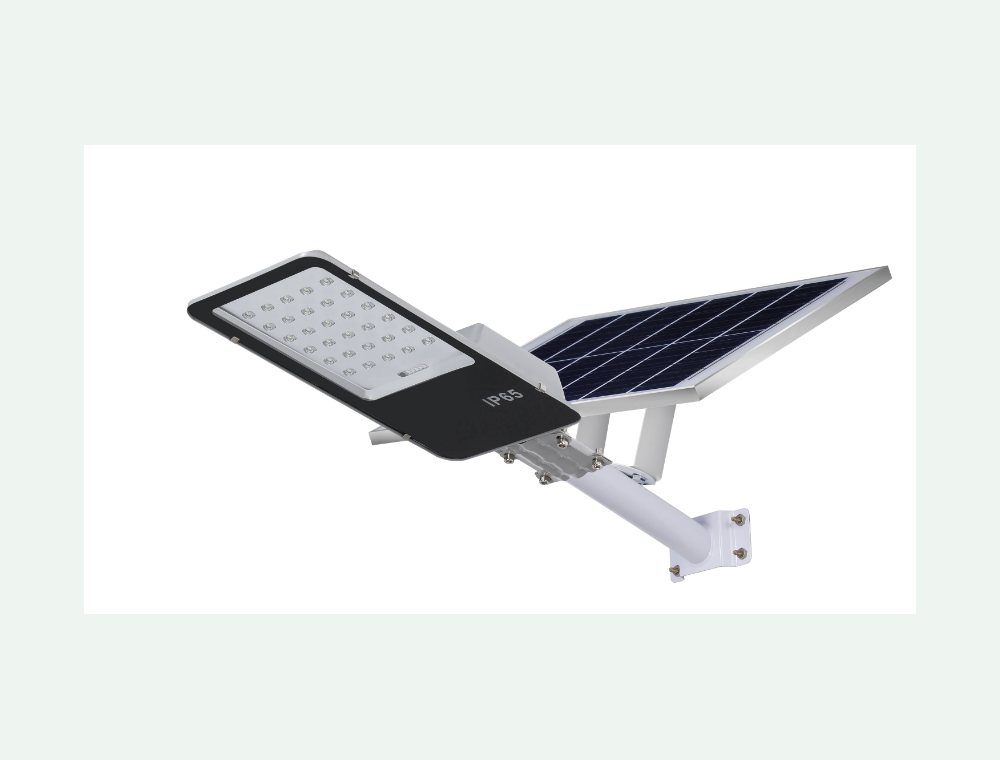
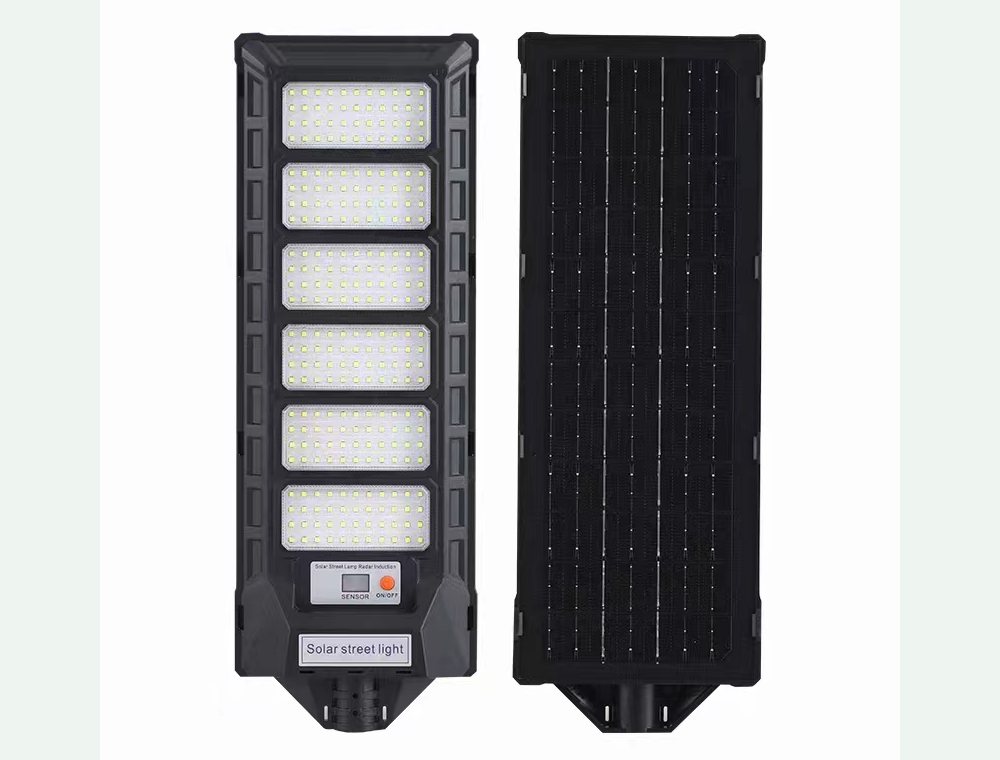
Minglong has selected two split solar street light families for initial promotion: SF11 in 500W and 800W nominal catalogue grades, and SF07 in 60W and 80W nominal catalogue grades. The current catalogue screenshots and supply status for these four grades were confirmed by the product owner on August 2, 2026.
These wattage figures identify catalogue grades. They are not published here as actual LED input power, system load, total luminous flux, road coverage or guaranteed project results. Those fields still require a model-specific source and an applicable test or operating basis before publication.
Continue the buying process
Use the guide that matches the next decision
This page owns specification-sheet verification. The linked pages answer different purchasing questions.
Specification Sheet FAQ
Questions buyers ask before comparing models
Final values and document applicability must be confirmed for the selected model.
Does nominal wattage show the actual power of a solar street light?
Not necessarily. A nominal wattage may be a product-grade or marketing label. Ask for the exact model, actual LED or system-load information, operating mode and test basis before using the number in a comparison.
Which battery information should a buyer compare?
Compare battery chemistry, voltage, amp-hour or watt-hour capacity, configuration, operating assumptions and the evidence for the selected model. Do not compare an isolated capacity number without voltage and context.
Can an IP rating or certificate be assumed to cover every model in a product family?
No. Ask which exact model and configuration the rating or document applies to, and review the model reference, issuer, date, standard and destination-market requirement.
What should a buyer send before asking Minglong to review a model?
Send the buyer type, destination country, application, estimated quantity and required documents. Road-project buyers should also send road, pole, operating, environment and schedule inputs; distributors should send channel, target customer, product tier, sample and customization needs.
Specification review
Send the requirement before asking for a model match
Share your buyer type, country, application, quantity and required documents. Add road-project or distributor inputs where relevant. Jaxon can identify which fields require model-level confirmation before commercial discussion.