Road project selection guide

How to Choose All-in-One or Split Solar Street Lights for a Road Project

Compare the two structures using the road, pole plan, operating schedule, environment, installation and maintenance requirements—not a catalogue wattage label alone.

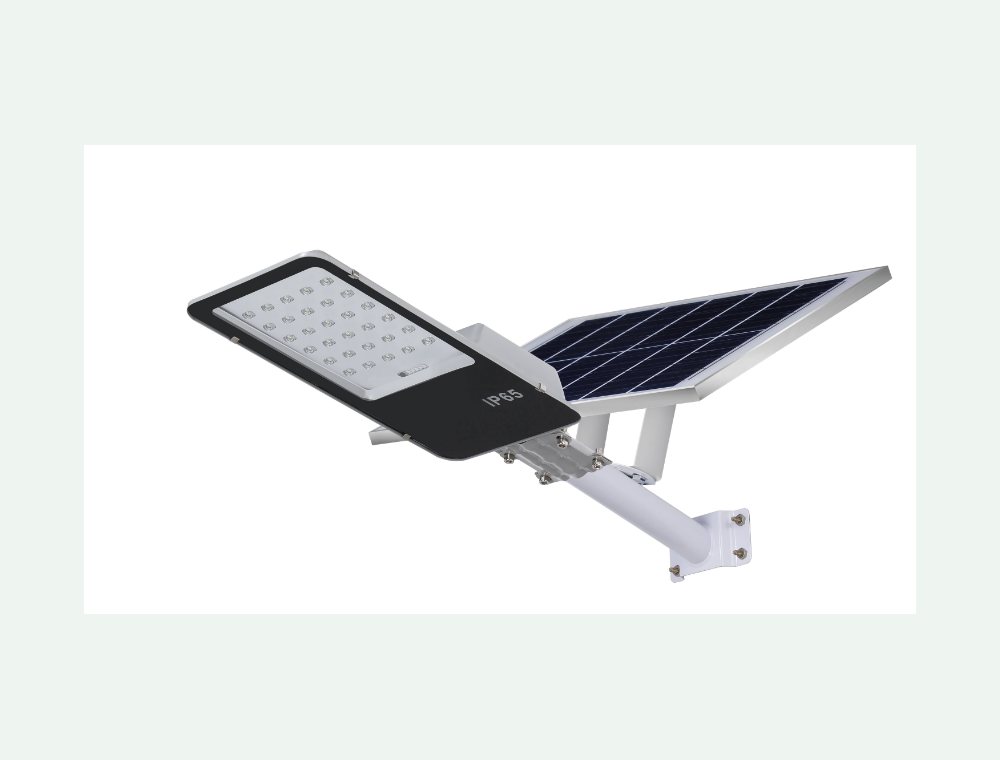
Split solar street light catalogue example for project selection
Split structure
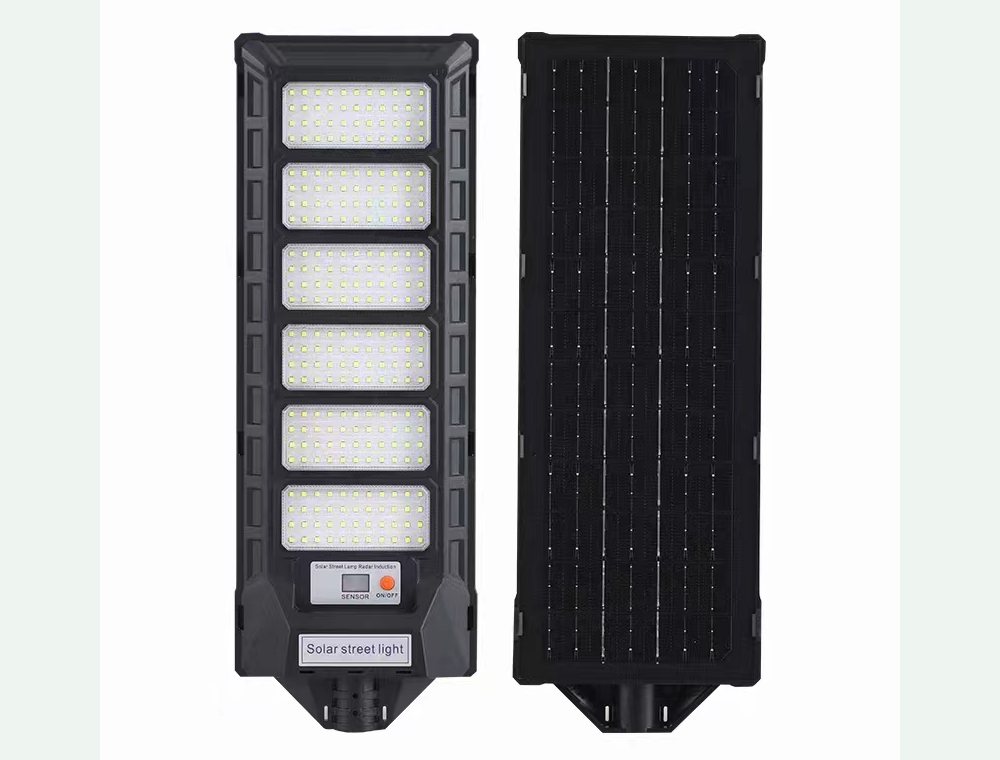
All-in-one solar street light catalogue example for project selection
All-in-one structure

Quick answer

Which solar street light structure should a road project use?

An all-in-one solar street light places the main system components in a compact fixture arrangement, while a split solar street light uses separately arranged components. For a road or project, neither type is automatically better. Select the structure only after reviewing the road layout, pole plan, required operating schedule, local solar and environmental conditions, installation access, maintenance approach, quantity, timing and required documents. Power, battery, solar-panel, IP-rating and autonomy claims remain dependent on the selected model and order confirmation.

Project first

Start with the project, not the catalogue wattage

A catalogue wattage label is not enough to select a solar street light. It does not by itself confirm actual LED input power, light output, battery capacity, solar-panel rating, nightly operating time, rainy-day autonomy or road coverage.

Before comparing models, define the lighting requirement. A distributor may begin with the target market, customer type and price level. An EPC contractor or project supplier should begin with the road, poles, operating profile, environment and submission requirements. The supplier can then identify suitable model options and state which specifications require confirmation.

Compact arrangement

When an all-in-one structure may fit

An all-in-one model may be considered when the buyer wants a compact product arrangement and the selected fixture is compatible with the planned pole, bracket, installation method and site access. This can be useful for distributors seeking a product that is straightforward to present as one family, or for projects where the compact arrangement suits the installation plan.

Do not assume that every all-in-one model has the same mounting method, weight, panel, battery, controller, sensor function or operating time. Confirm these items for the exact model. The compact structure also does not remove the need to check solar exposure, orientation, pole compatibility and maintenance access.

Browse all-in-one solar street light models.

Separate components

When a split structure may fit

A split solar street light may be considered when the project benefits from separately arranged components and model-specific positioning. The arrangement can provide more flexibility in planning the panel, luminaire and related components around the site, but it also requires clear installation coordination.

Do not assume that a split structure automatically delivers more light, longer autonomy or better project performance. Those outcomes depend on the confirmed model configuration, operating profile, solar resource, road layout and installation. The buyer should also define who supplies or installs poles, brackets, foundations, cables and other project items.

Browse split solar street light models.

Project decision table

Compare the two structures using project inputs

This table supports initial selection; it is not a performance guarantee.

Decision factorAll-in-one reviewSplit reviewWhat the buyer should provide
Product arrangementCompact fixture arrangementSeparately arranged componentsPreferred structure and reason
Pole and bracketConfirm complete-unit compatibilityConfirm mounting points and component arrangementPole drawing, height and bracket dimensions
Solar exposureConfirm orientation and shading for the integrated arrangementReview panel position separatelyLocation, orientation, shading and site photos or drawing
InstallationReview lifting, access and mounting methodReview component, cable and connection workInstaller scope and access constraints
MaintenanceReview access to the complete unitReview access to separate componentsMaintenance responsibility and spare-part expectations
OperationModel/order dependentModel/order dependentLighting hours, dimming and sensor requirement
EnvironmentModel/order dependentModel/order dependentDust, coastal, temperature, wind and corrosion exposure
DocumentationConfirm availability by selected model and projectConfirm availability by selected model and projectDocument or tender checklist and deadline
Final product configuration and suitability must be confirmed for the selected model, application and order. Review how to verify a solar street light specification sheet.

Distributor or importer

Define the market, channel and order plan

State the destination market, target customer, sales channel, expected quantity, preferred product tier, sample plan and OEM requirements. Minglong supports OEM, customer logos, and customization of colour boxes, outer cartons and manuals. The usual MOQ is 100 units, but the applicable quantity per model and any mixed-order arrangement must be confirmed in the quotation.

Samples are charged and sample freight is paid by the buyer. A sample charge may be credited against a qualifying bulk order when agreed, subject to order confirmation. Typical production lead time is 15–30 days, subject to model, quantity and production scheduling.

Five-step selection process

Move from site inputs to a confirmed quotation

Keep unconfirmed performance and configuration fields marked as model/order dependent or to be confirmed.

  1. Define the site. Record road geometry, pole plan, solar exposure and environmental constraints.
  2. Define the operating requirement. State nightly hours, dimming periods, sensor needs and low-sun expectations.
  3. Choose a structure for review. Explain why a compact all-in-one or separately arranged split system may suit the installation and maintenance plan.
  4. Compare verified model fields. Request the exact model's product dimensions, mounting, actual electrical and lighting data, battery, panel, IP rating, operating profile and available documents. Do not substitute nominal wattage for these fields.
  5. Confirm the commercial scope. State quantity, destination, trade term, schedule, customization and required quotation documents.

Useful quotation

Information required for model review

Send one message with your buyer type; preferred structure or request for a recommendation; catalogue model, page or screenshot; project location and application; road, lane and pole plan; operating schedule; environment; quantity; destination; trade term; customization needs; and technical or tender document checklist.

Model specifications, warranty and delivery timing should be confirmed in the formal quotation. Warranty is one or two years depending on the selected product and quoted configuration.

Frequently asked questions

Questions before choosing a road-project structure

These five visible answers match the FAQ structured data on this page.

Which is better for a road project: all-in-one or split solar street lights?

Neither is universally better. Choose after reviewing the road layout, pole plan, solar exposure, operating schedule, environment, installation access, maintenance approach and verified model configuration.

Can I select a solar street light using the catalogue wattage?

No. Catalogue wattage alone does not confirm actual LED power, lumen output, battery, panel, runtime, autonomy or road coverage. Request verified fields for the selected model and order.

What road information is needed before model selection?

Provide the location, road width, lanes, road length, pole height, pole spacing, layout, required lighting hours, dimming schedule, site conditions and estimated quantity.

Can Minglong recommend a model for an EPC or tender project?

Minglong can review the available project information and assist with product matching or a proposal. Required specifications and tender documents must be checked item by item for the selected model and project.

Are MOQ, lead time and warranty the same for every model?

No. The usual MOQ is 100 units and typical production lead time is 15–30 days, but both remain subject to model, quantity and order confirmation. Warranty is one or two years depending on the product and quotation.

Qualified project inquiry

Send your road or project requirement for model review

Send the project location, road and pole data, operating schedule, environment, quantity and required documents to Jaxon. Minglong Solar Lighting will review whether an all-in-one or split model should be considered and identify the specifications that still require confirmation.

WhatsApp